


Forget static crunches and simple squats—today’s elite athletes are twisting their way into peak shape. Inspired by viral warm-ups like Pittsburgh Pirates pitcher Paul Skenes’ dynamic pregame routine, rotational training is gaining attention not just for its flash, but for its functional results.
Why Rotation Matters More Than Ever
At its core, rotational training improves your ability to twist and decelerate—two often-overlooked but essential athletic skills. Whether you’re swinging a bat, serving a tennis ball, or simply stepping out of a car, your hips and shoulders twist to generate power. That twist transfers force from the lower body, through the core, and into your upper limbs. Learning to control that twist—especially the slowdown—is key for injury prevention and enhanced athleticism.
“Rotation is the most transferable movement pattern,” says strength coach David Otey, C.S.C.S. “If you move in life, you rotate.”
Start With Stability: Phase 1 – Get Loose
Rotational strength doesn’t start with force—it starts with mobility. Before you can twist with power, you need to loosen stiff hips and shoulders. Trainer John Rusin, DPT, recommends adding low-impact twists to your warm-up and cool-down routines.
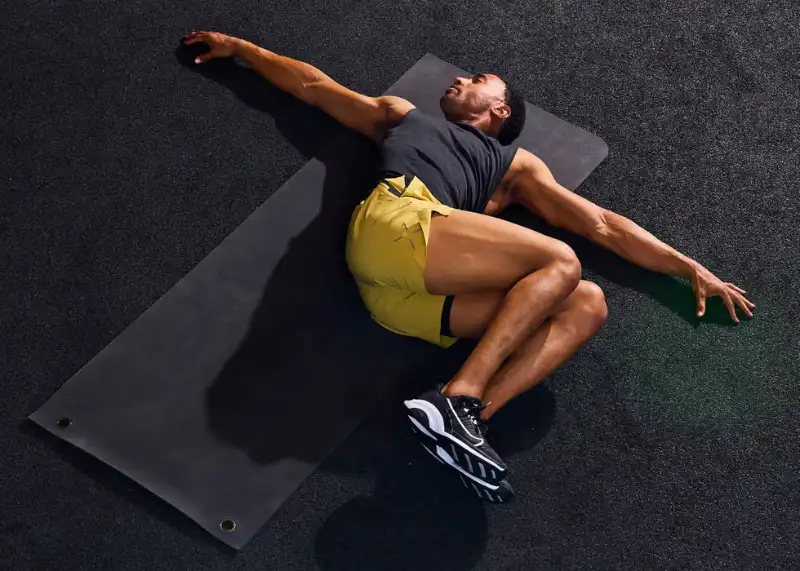
- Lying Twist: Lie on your back with bent knees and feet flat. Without moving your feet, lower your knees left while turning your head right. Keep your right shoulder on the ground. Pause, then reverse. Do 10 reps per side.
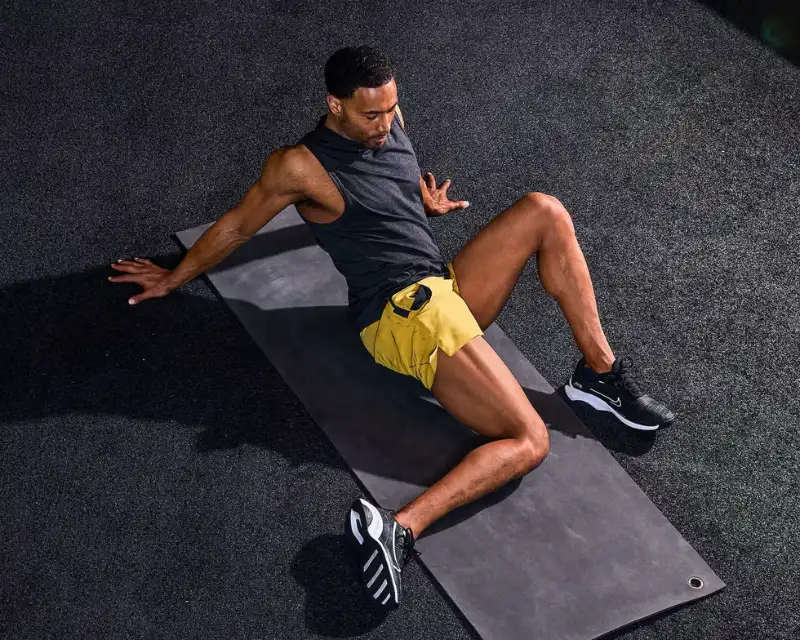
- Shin Box: Sit on the floor with knees bent, feet flat, and hands behind you. Drop both knees to the right as far as they’ll go. Pause, return, and repeat on the left. Do 10 reps total.
Build Control: Phase 2 – Mount a Resistance
Rotational control isn’t just about moving—it’s about resisting. Training your core to prevent rotation is a key safeguard, especially if you’re moving heavy loads or playing high-speed sports. This “anti-rotation” phase preps your spine and stabilizers to absorb force safely.
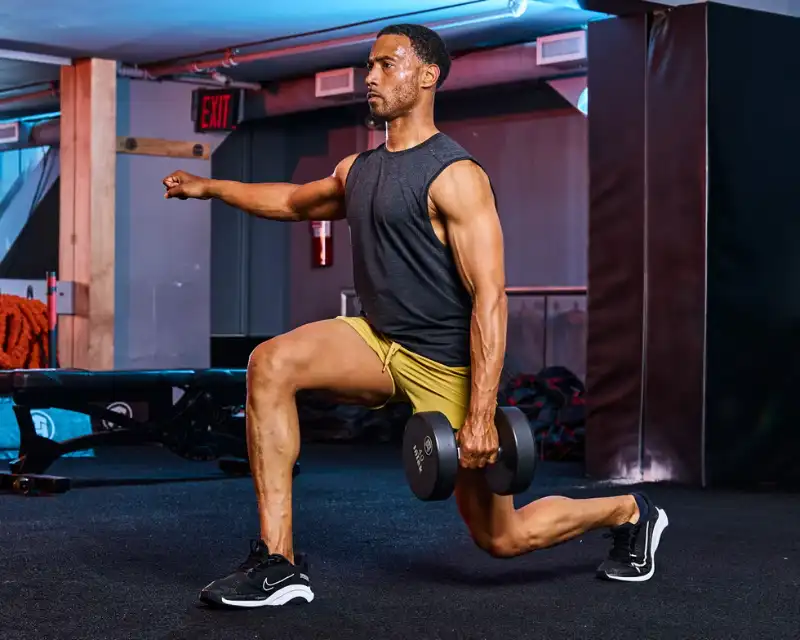
- Offset Split Squat: Hold a heavy weight in your left hand. Step your left foot back and sink into a lunge, keeping your shoulders square. Stand up and repeat for 10 reps, then switch sides.
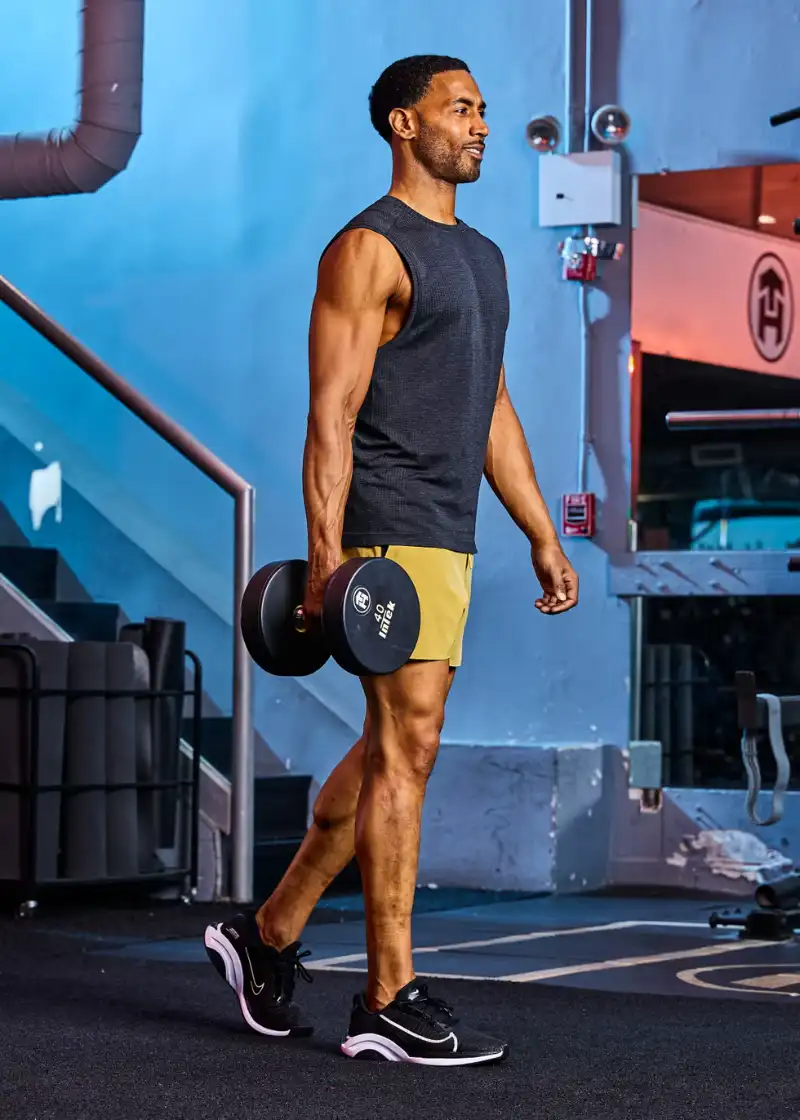
- One-Arm Farmer’s Walk: Hold a heavy dumbbell in one hand. Keep upright and walk forward for 30 seconds. Switch hands and repeat. March in place if space is limited.
Unleash the Power: Phase 3 – Do. The. Twist.
Once you’ve built mobility and resistance, you’re ready to generate power. Rotational moves like landmine circles and wood chops mimic explosive actions—think swinging a bat or launching a ball. The key is to train the whole movement chain, from hips to shoulders.
- Kneeling Landmine Rotation: Kneel in front of a barbell in a landmine setup. Hold the bar with both hands at chest height, then trace a wide arc from one hip over your head to the opposite hip. Reverse to complete 1 rep. Do 6 reps.
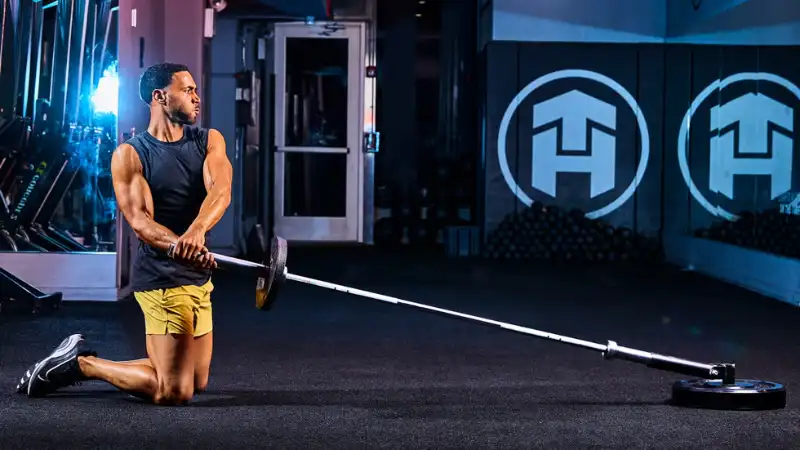
- Standing Wood Chop: Anchor a resistance band overhead to your left. Grab the band and step back to create tension. Keeping arms straight, rotate and pull the band diagonally toward your right knee. Return slowly. Perform 8 to 10 reps per side.

Train Smart, Not Just Hard
These rotational drills aren’t just for elite athletes. Done consistently—just twice a week—they’ll improve mobility, core strength, and everyday function. You’ll move better, prevent injury, and feel more powerful whether you’re swinging a club or hoisting groceries.
So next time you’re setting up your workout, think beyond the bench press. Add a twist—literally—and join the new school of movement that’s reshaping the way we train.


