


If you’re looking to add serious size and strength to your back, few exercises match the power and efficiency of the barbell row. This classic move has stood the test of time because it delivers results — engaging nearly every major muscle group in your posterior chain, and demanding total-body control.
But performing the barbell row effectively takes more than just grabbing the bar and pulling. Posture, grip, form, and intent all matter if you want to see gains and avoid injury. Here’s how to master the movement — and why it deserves a key spot in your training plan.
How to Perform the Barbell Row
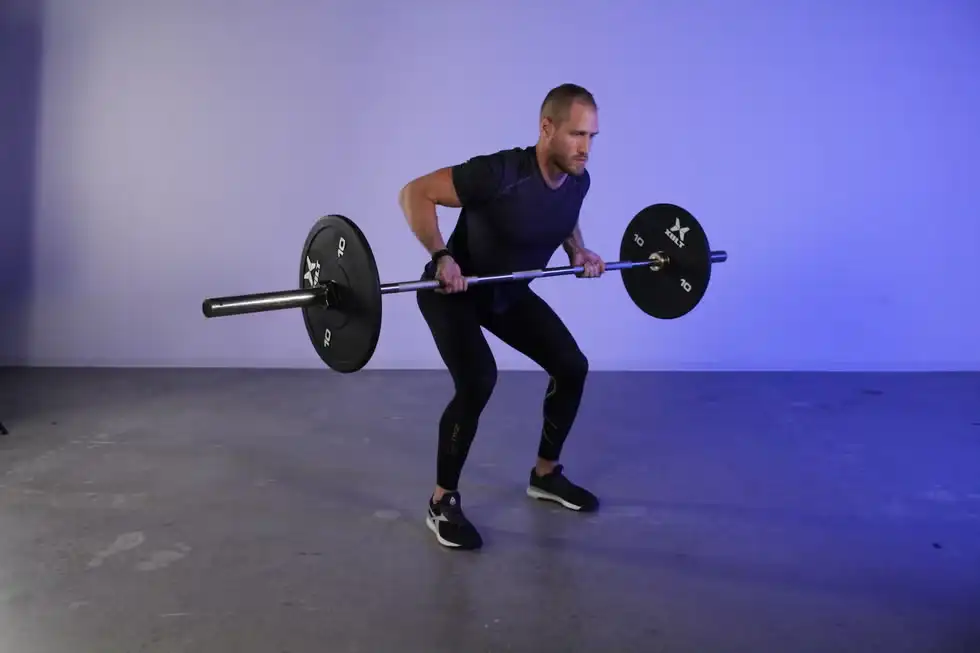
Start by setting up like you would for a deadlift. Place your feet hip-width apart and load a barbell with manageable weight.
Step-by-Step Guide
- Hinge at the hips and push your butt back, keeping your spine straight as you bend to grab the barbell.
- Use an underhand grip (palms facing up) — this helps engage the biceps and keeps your shoulders in a safer position.
- Look down to keep your neck in a neutral alignment. Avoid craning your head up.
- Brace your core and glutes, then lift your torso slightly to raise the bar off the ground.
- Pull the bar toward your ribcage by driving your elbows back — pause briefly at the top.
- Lower the weight in a controlled motion, keeping your posture strong throughout.
Pro Tips for Better Barbell Rows
Mastering the technique requires more than just good intentions. Here are some expert tips from Men’s Health fitness director Ebenezer Samuel, C.S.C.S.
1. Use an Underhand Grip
While most people row with an overhand grip, beginners can benefit more from going underhand. This approach allows for greater bicep activation, better lat engagement, and reduces the risk of shoulder strain by preventing internal rotation.
2. Avoid Rocking Your Torso
Many lifters make the mistake of using momentum by rocking their torso to move heavy loads. This cheats the muscles and increases injury risk. Reduce the weight, keep your torso still, and focus on strict, controlled movement to target the right muscle groups.
3. Pull With Control
Don’t launch your chest toward the bar — keep the motion smooth and deliberate. Let your upper arms lead the pull, and keep your spine stable. The goal is a clean row, not a jerky swing.
4. Respect the Load
While the barbell row can be done with heavy weight, ego lifting leads to poor form. Overloading the bar increases the chances of lower back injury. Stick to a weight that allows proper form and full range of motion.
Why the Barbell Row Is Worth Your Time
Beyond aesthetics, the barbell row is a full-package strength builder. It trains a pulling movement pattern essential for posture and everyday function, while hitting multiple muscle groups at once.
Muscles Worked
-
-
- Lats
- Trapezius
-
- Rhomboids
- Rear deltoids
- Spinal erectors
- Biceps and forearms (especially with underhand grip)
- Glutes and core (for stability)
The barbell row can also help correct poor posture from prolonged sitting, bringing your shoulders back and strengthening the upper back for better alignment.
How to Add Barbell Rows to Your Routine
If you’re training for strength or size, use the barbell row early in your workout when your energy is highest. Start with 3 sets of 8 to 10 reps, and build from there as your form improves.
Row Variations to Expand Your Back Training
To get even more out of your back training, incorporate these barbell row variations into your program. Each targets the same muscles slightly differently, helping to avoid plateaus and enhance gains.
Pendlay Row
Why: This explosive version resets the bar on the floor between reps, encouraging cleaner form and heavier loads.
How to Do It:
- Stand over the barbell with feet shoulder-width apart, shins close to the bar.
- Hinge at the hips to lower your torso and grip the bar with a flat back.
- Explosively pull the bar to your lower chest, then return it to the floor.
- Reset after each rep.
Sets/Reps: 3–4 sets of 6–8 reps
Chest-Supported Barbell Row
Why: This variation removes stress from your lower back by supporting your torso, allowing strict form and better back engagement.
How to Do It:
- Lie face down on an incline bench with your chest supported.
- Use an underhand or overhand grip to pull the bar straight up to the bench.
- Pause at the top, then lower under control.
- Reset between each rep if needed.
Sets/Reps: 3 sets of 6–8 reps
The Final Rep
The barbell row is a no-nonsense lift that should be a cornerstone of any back-building routine. When done correctly — with attention to form and smart programming — it delivers unmatched strength and muscular benefits. Whether you’re chasing size, better posture, or real-world strength, the barbell row is the move you don’t want to skip.