

A great workout isn’t just about intensity — it’s about intention. Whether your goal is to build strength, improve mobility, or stay fit with a busy schedule, a smart full-body training plan can deliver powerful results without demanding endless hours at the gym.
Why Full-Body Workouts Work
If you’re not chasing bodybuilder-level gains or training like a competitive athlete, you don’t need to isolate every muscle in its own workout. For those seeking balanced strength, better mobility, and overall health, full-body workouts offer a time-efficient path forward — especially if you’re limited to just a few training days each week.
Smart Programming Beats Random Workouts
This isn’t about hopping between machines and hoping for the best. Full-body workouts are most effective when they’re rooted in functional movement patterns — pushing, pulling, hinging, squatting, and carrying. This approach ensures your entire body gets stronger, moves better, and stays injury-resistant.
The 4-Week Full-Body Dumbbell Routine
Designed by Sean Garner, N.S.C.A.-C.P.T., this plan hits all the key movement patterns while also incorporating core work and cardio. The result is a well-rounded program that builds strength, boosts endurance, and supports joint health — all in one workout.
Schedule & Setup
- Perform this workout three times per week.
- Each session begins with a 3-minute dynamic warmup.
- Complete 3 rounds of the full-body circuit each time.
- Each week, slightly increase your dumbbell weights and reduce reps by 1 (except for core holds).
Dynamic Warmup (1 Minute Each)
1. T-Spine Rotation to Downward Dog
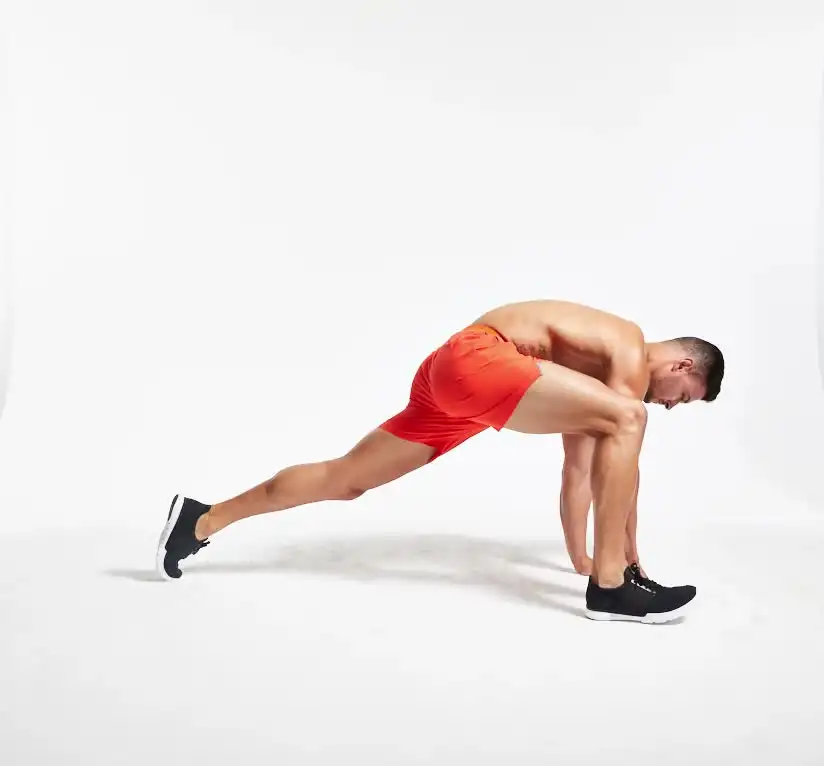
- Start in a pushup position.
- Step your right foot outside your right hand.
- Rotate and reach your right hand toward the ceiling.
- Return to plank, then shift into Downward Dog.
- Reset to plank and repeat on the opposite side.
2. Toe-Touch Squat
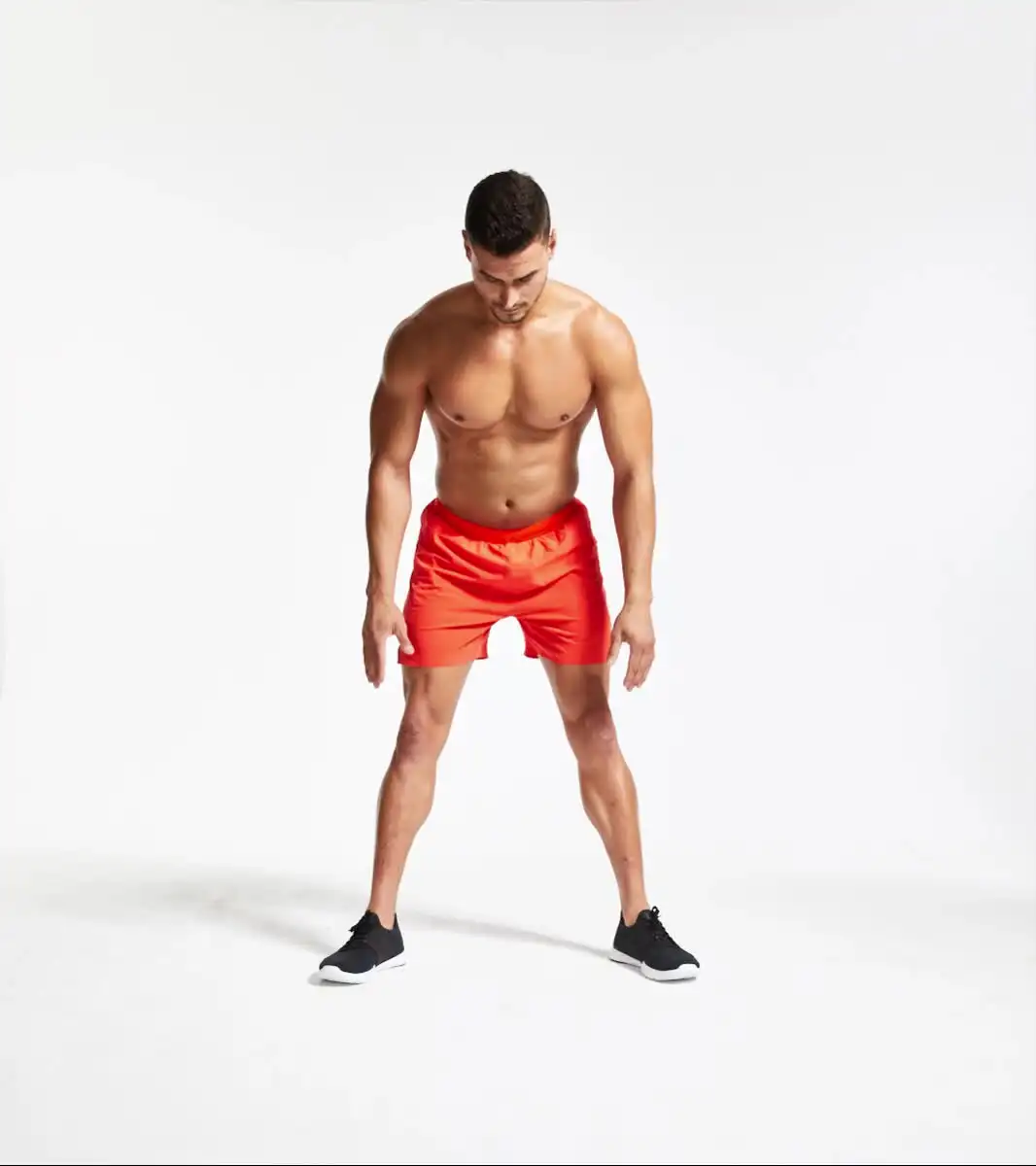
- Stand tall with feet shoulder-width apart.
- Hinge forward to touch your toes, keeping your back flat.
- Drop into a deep squat, raise arms overhead, then stand.
3. Sprint Buildup
- March in place for 15 seconds, lifting knees high.
- Jog for 15 seconds.
- Sprint in place at top speed for 30 seconds.
Strength & Conditioning Circuit
1. Dumbbell Romanian Deadlift – 12 Reps
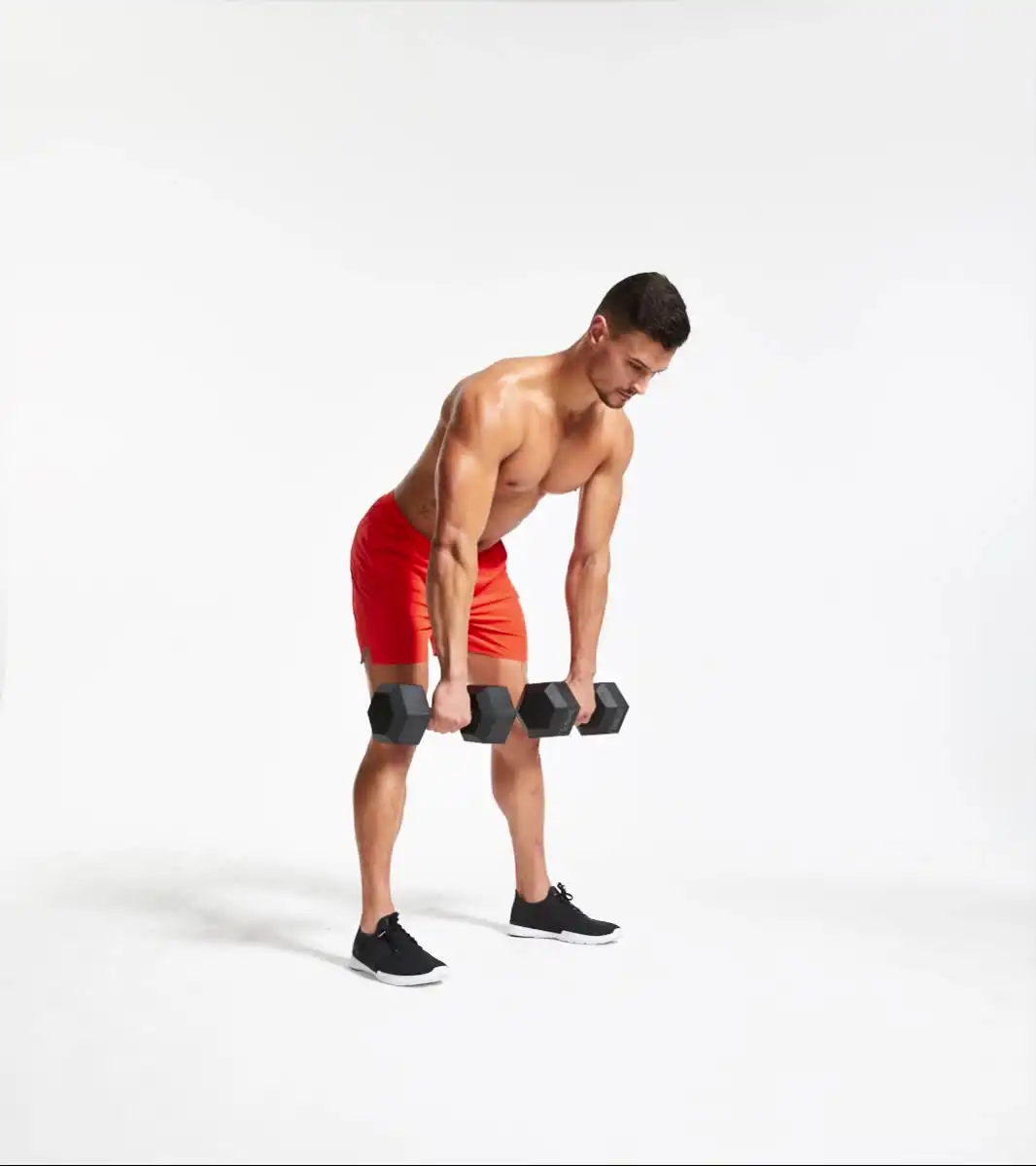
- Hold medium dumbbells at sides, feet hip-width apart.
- Hinge at hips, lowering torso until hamstrings stretch.
- Keep a soft bend in knees; maintain a flat back.
- Squeeze glutes as you return to standing.
2. Alternating Dumbbell Row – 12 Reps
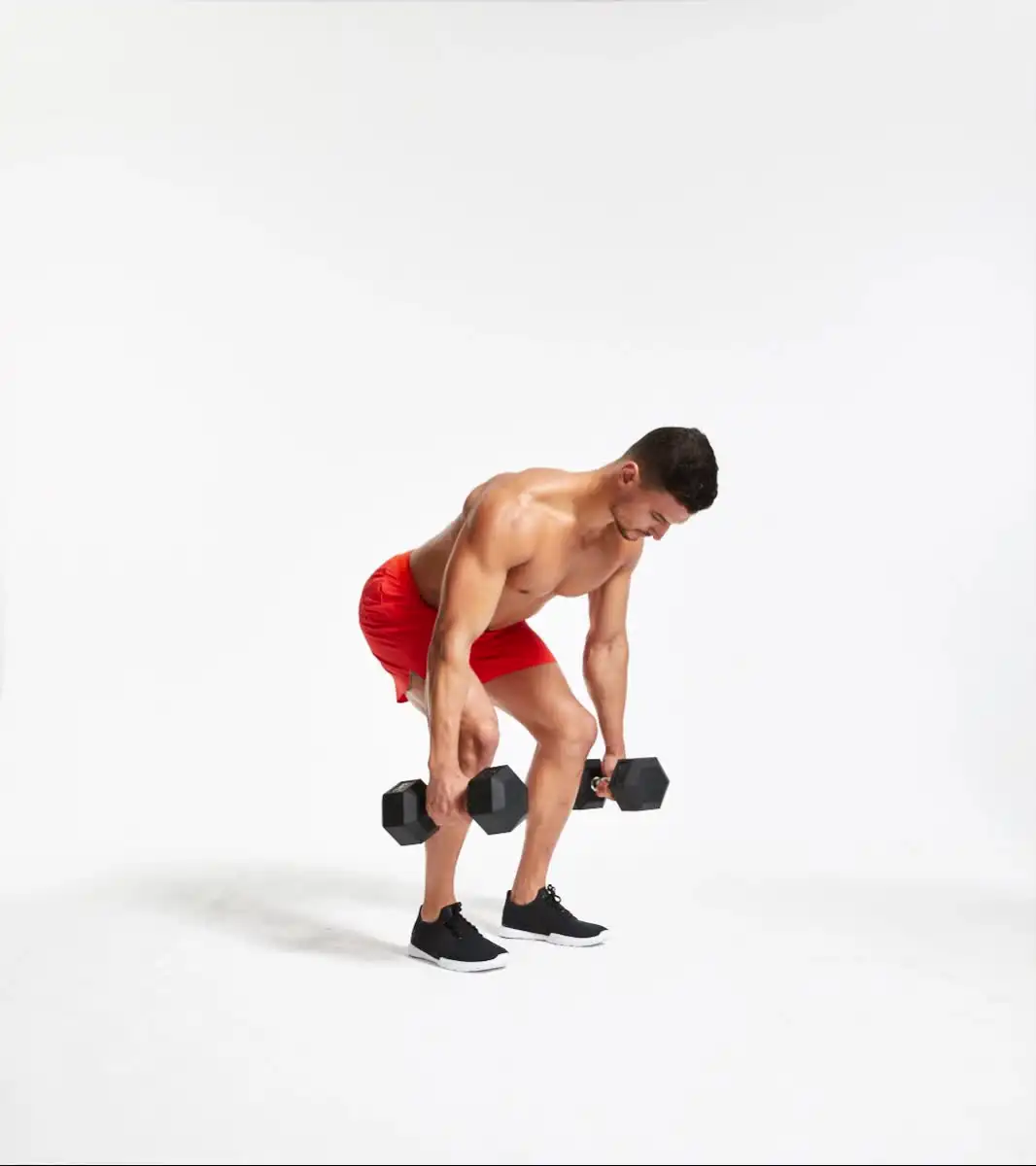
- Hinge at hips, holding dumbbells with a flat back.
- Row one dumbbell to your side while bracing your core.
- Lower it slowly, then row the opposite side.
3. Side-Plank Press – 12 Reps Per Side
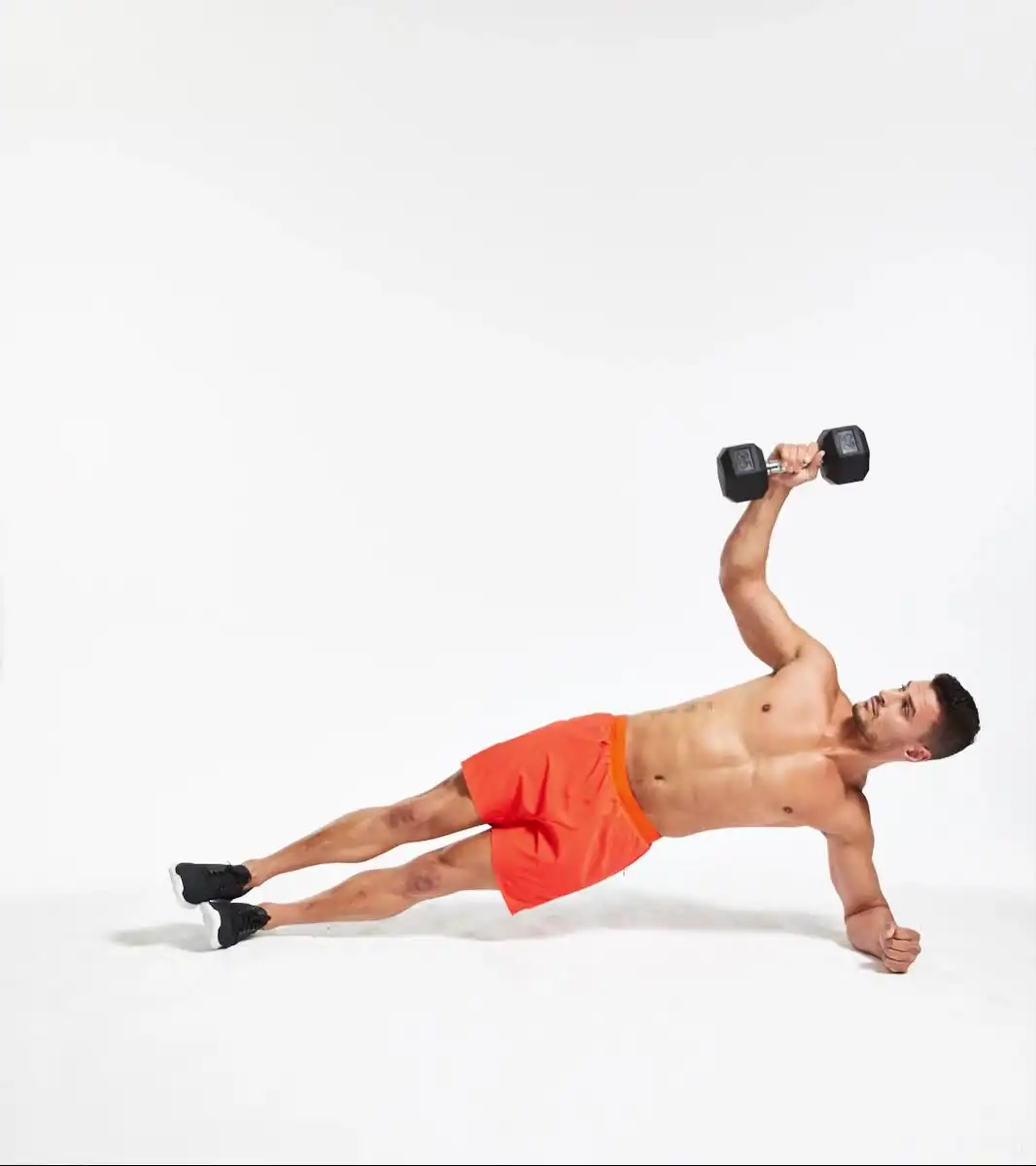
- Start in a side plank with your elbow under your shoulder.
- Hold a light dumbbell with your top hand.
- Press it straight toward the ceiling without breaking your plank.
- Control the weight back down.
4. Glute Bridge Floor Press – 12 Reps
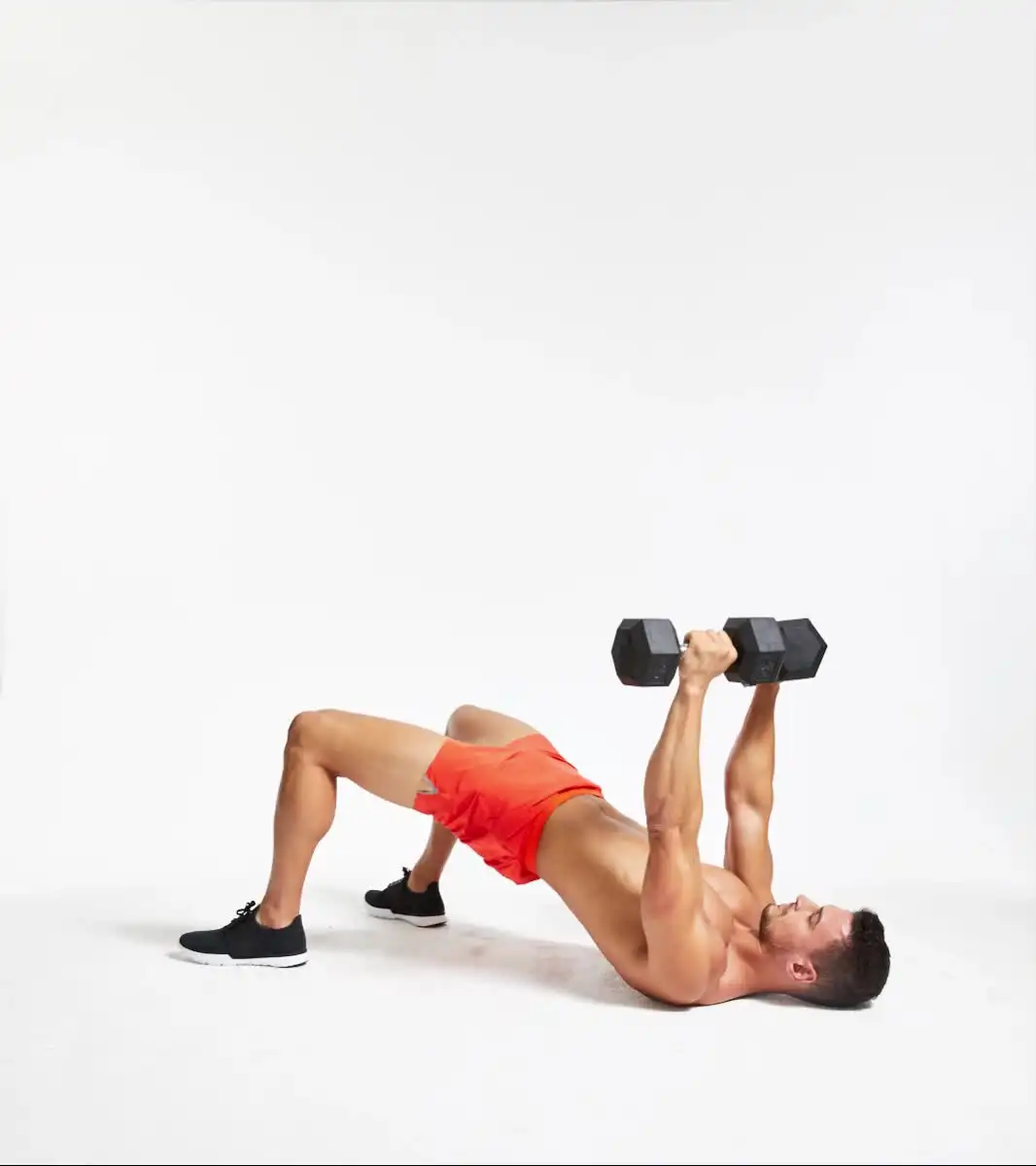
- Lie on your back with knees bent, holding dumbbells.
- Raise hips into a glute bridge.
- Press the dumbbells up, then lower with control.
5. Bulgarian Split Squat – 12 Reps Per Side
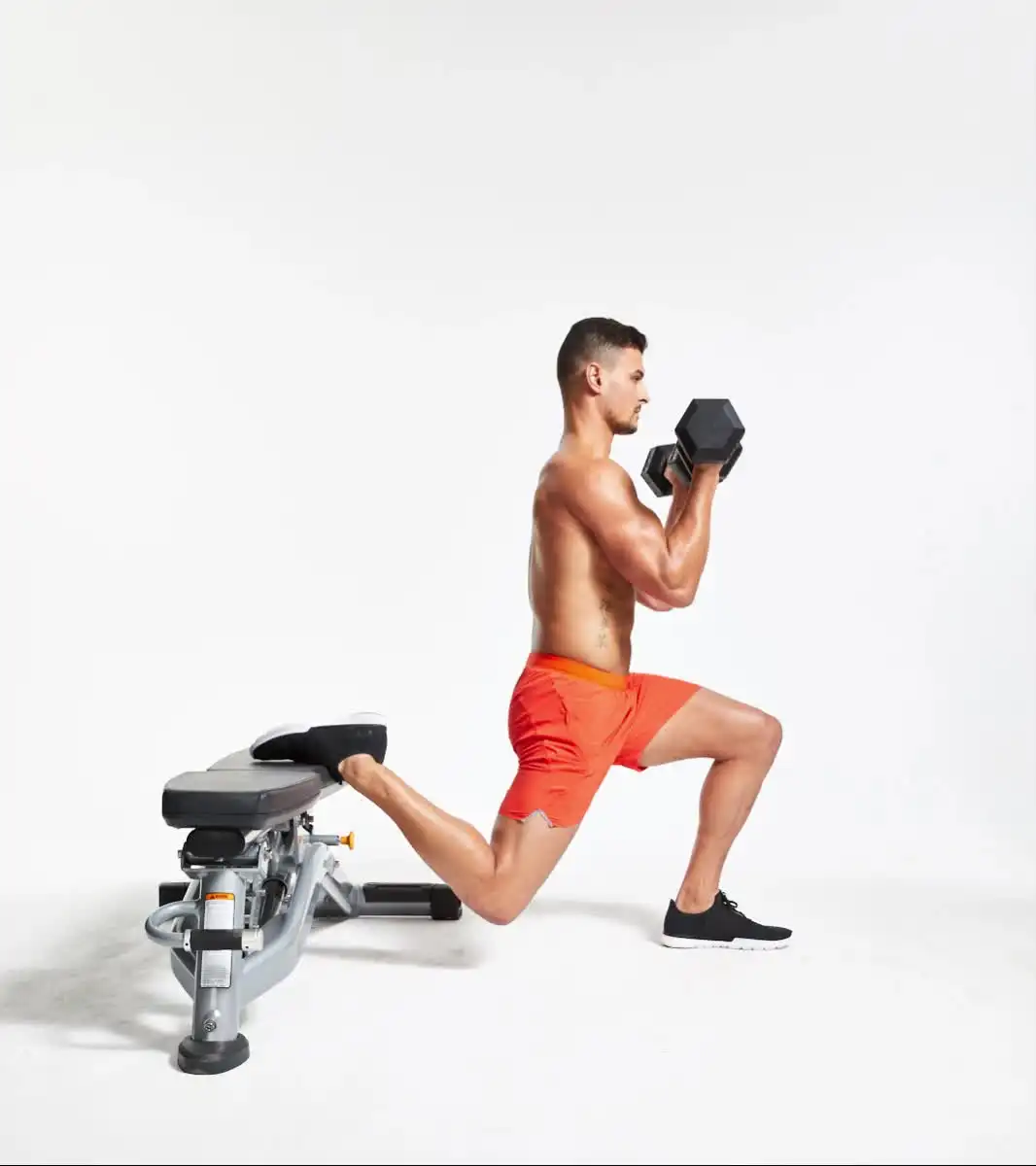
- Place your rear foot on a bench, front foot forward.
- Hold dumbbells at shoulder level.
- Lower until front thigh is parallel to the floor.
- Drive through your front foot to stand back up.
6. Hollow Body Hold – 3 to 5 Sets, 30 Seconds
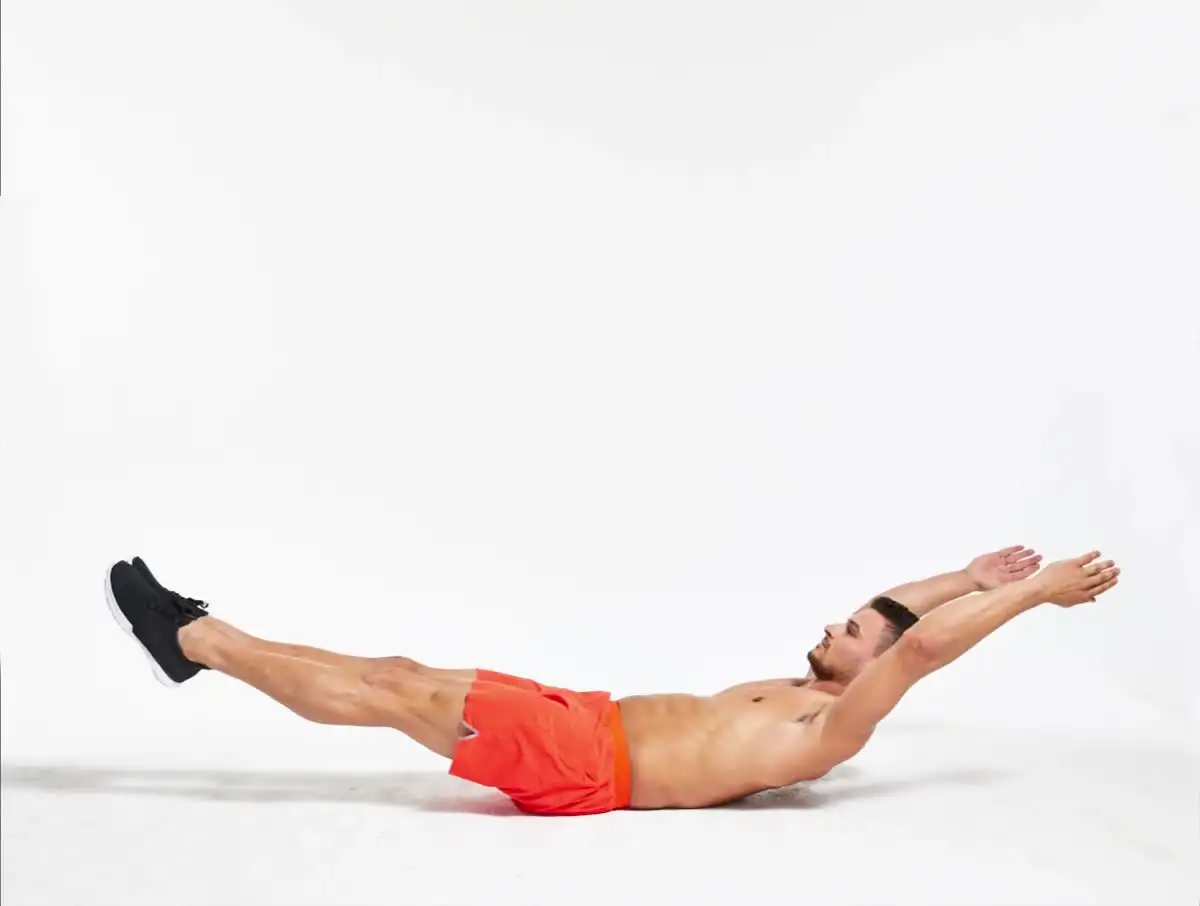
- Lie flat, arms and legs extended.
- Press lower back into the floor, lifting legs and shoulders slightly.
- Keep arms extended overhead and hold.
Why Full-Body Training Works
Comprehensive, Time-Efficient Gains
Full-body workouts train multiple muscles in one session, offering big returns in less time. That’s ideal for anyone juggling work, family, and other responsibilities — or those simply looking for total-body improvements without spending hours in the gym.
Built-In Recovery
Working the full body means you need rest between sessions. This naturally balances exertion with recovery — helping you maintain consistent, high-quality training and reduce burnout.
Who Should Follow This Plan?
- Busy professionals: Hit all major muscles in fewer sessions per week.
- Beginners: Learn foundational movement patterns with functional exercises.
- Fitness generalists: Improve mobility, strength, and endurance in a balanced way.
What It Won’t Do
This plan isn’t ideal if your goal is targeted hypertrophy or powerlifting-level strength. For those goals, a muscle-group split, push-pull-legs split, or upper/lower split will offer more specificity. You’ll also need to rest between workouts to avoid overtraining — every other day is ideal.
Should You Do This Every Day?
Not quite. While this full-body routine can be repeated each time you train, doing it daily leaves no room for recovery. Three days a week, with active recovery or light cardio on rest days, will yield the best results.
Train Smarter, Not Longer
This four-week plan delivers efficient, effective total-body training with a science-backed focus on movement patterns and balanced development. Whether you’re getting back into fitness, leveling up your routine, or looking for a sustainable path forward, this program offers everything you need — in less time than you might think.