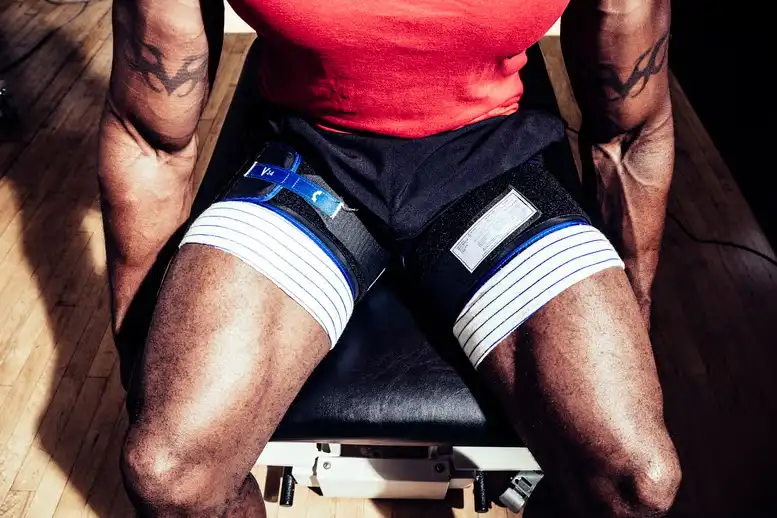


If you want to keep building muscle and getting stronger, there’s one training principle you can’t ignore — progressive overload. Here’s what it means, why it matters, and how you can put it to work in your own workouts.
The human body is remarkably adaptable. Challenge it with a new kind of physical stress, and it will respond by growing stronger. This is why, when you start lifting weights, you see noticeable progress in your first weeks and months. But your body is also efficient — once it adapts to the demands you place on it, your results can grind to a halt. That’s when you need to up the ante.
Enter progressive overload, the backbone of effective strength training. Simply put, it’s the practice of systematically increasing the intensity, volume, or frequency of your workouts over time. Without this constant challenge, your muscles have no reason to keep growing or getting stronger.
There’s more than one way to apply progressive overload:
- Lift heavier weights
- Add more reps or sets
- Increase the time your muscles spend under tension (e.g., by slowing down your lifts)
- Lifting more explosively for power
- Train more frequently
- Shorten your rest intervals between sets
- Try more advanced exercise variations, like moving from push-ups to archer push-ups
This list isn’t exhaustive, but it’s a great starting point if you’re trying to break through a plateau or want to avoid hitting one in the first place. The real trick is knowing when to ramp up the challenge — and which method fits your current training phase.
If you’re new to lifting, progressive overload tends to happen almost automatically. During your first few months in the gym, you’ll find yourself reaching for heavier dumbbells and stacking on plates as your nervous system and muscles quickly adapt. But as you gain experience, the progress slows down. That’s when you need to be intentional and strategic about how you overload your body, cycling through different tactics to keep your training fresh.
So how do you know when it’s time to progress? Some trainers recommend the “2 for 2” rule: If you can do two extra reps in your last set of an exercise for two weeks in a row, it’s time to bump up the difficulty. Generally, though, as soon as you can complete every rep in every set with perfect form — and your workouts start to feel easy — it’s a signal you need to make a change.
Whatever you do, avoid letting your workouts get stale. Comfort is the enemy of progress — if you’re not being challenged, you’re not growing. Embrace progressive overload, and you’ll keep moving forward in your fitness journey.
To keep growing, don’t just lift—lift with intention. Progressive overload is the science-backed secret to unlocking your potential.