


Both the back squat and the conventional deadlift are legends in the gym — foundational, full-body exercises that build raw strength and muscle. But when time is limited and you can only fit one into your routine, which lift deserves your focus? The answer isn’t always obvious and depends on your training goals, body type, and experience level.
Two Titans of Strength Training
“This is the gym’s equivalent of Godzilla vs. King Kong,” says Ebenezer Samuel, C.S.C.S. and fitness director at Men’s Health. “They’re both king-level moves that challenge large muscle groups and allow you to move serious weight.”
While ideally, you should train both consistently, there are times when life or recovery forces you to choose. Understanding how each lift functions can help you make the smarter call for your goals.
What Squats and Deadlifts Have in Common
At a glance, both movements are full-body powerhouses. Done with intensity, they activate almost every muscle in your body, stimulate strength gains, and load the spine in ways that can improve bone density. That spinal load, though, is taxing — both lifts are neurologically demanding and require thoughtful recovery planning.
Shared Benefits
- Stimulate total-body strength
- Improve bone density through spinal loading
- Challenge core and stabilizing muscles
- Essential for athletic performance and functionality
How They Differ: Movement Mechanics
The key difference between squats and deadlifts lies in which joints and muscles drive the movement. While both are compound exercises, they emphasize different primary movers and mechanics.
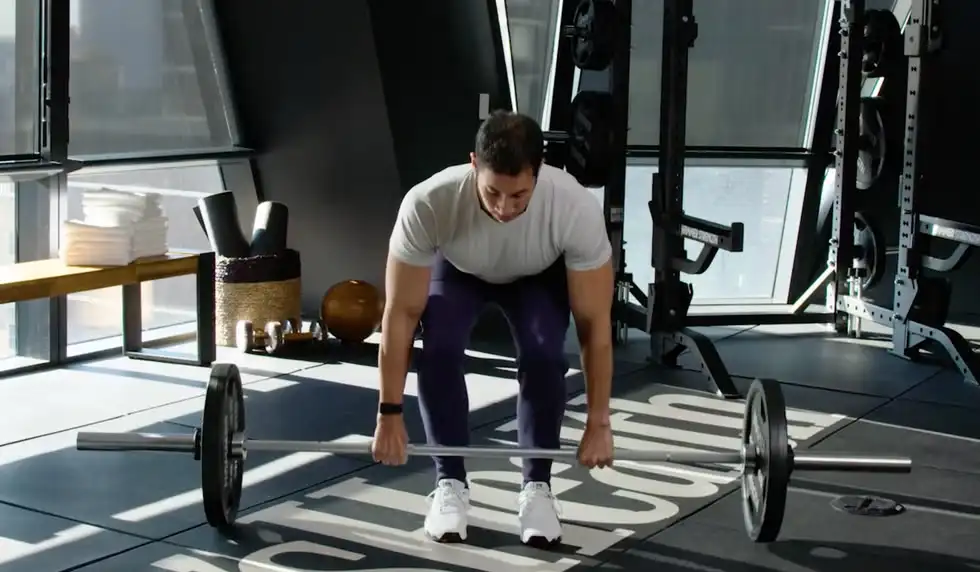
Deadlift: Posterior Chain Power
The conventional barbell deadlift is a hip-dominant movement. Your glutes and hamstrings are the engines here, powering you through hip extension. Meanwhile, your lats, traps, and rhomboids are fully engaged in keeping your spine stable as you lift from the floor.
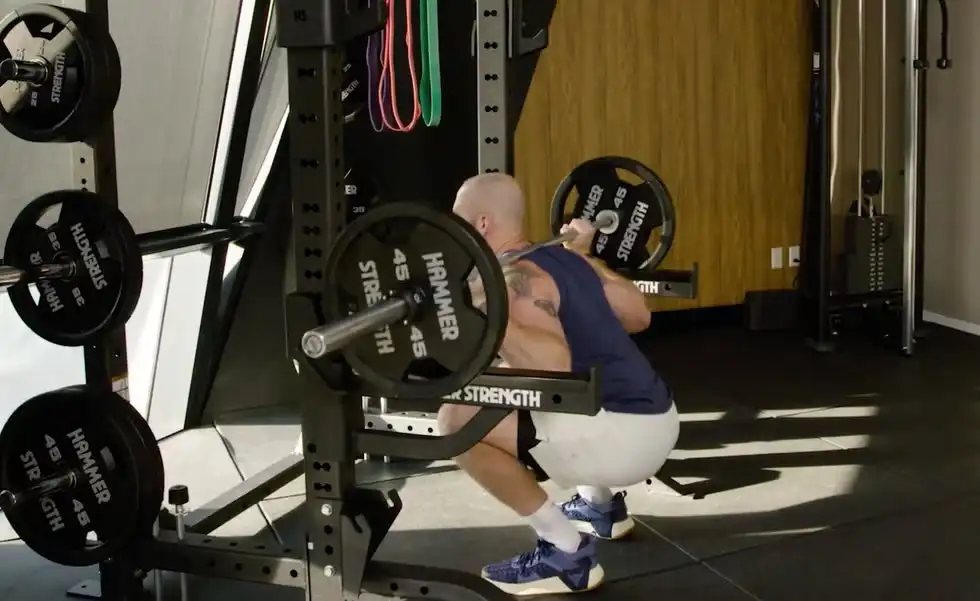
Back Squat: Quad-Dominant Depth
The barbell back squat is knee-dominant. Your quads, glutes, and hip adductors combine to extend both the knees and hips simultaneously. While your back does support the load, the emphasis shifts more toward the anterior muscles, particularly the quads.
So Which Lift Should You Focus On?
Choosing between the two depends on what you’re training for — aesthetics, athletic performance, or functional strength. Both exercises will benefit any program, but your goals can shape your priorities.
When to Prioritize Deadlifts
- Goal: Build glutes, hamstrings, and back
- Benefit: Greater emphasis on the posterior chain
- Carryover: More relevant to real-world movements like lifting objects off the ground
- Athleticism: Improves hip extension — critical for jumping and sprinting
The deadlift mimics everyday motions and builds practical, real-life strength. If you’re chasing posterior development or a more functionally strong frame, deadlifts deserve top billing.
When to Prioritize Squats
- Goal: Develop quads and total-leg hypertrophy
- Benefit: Greater range of motion and muscle activation
- Carryover: Enhances performance in Olympic lifts like cleans and snatches
- Versatility: Strength built in squats translates well into deadlifts
If you’re short on time and want a movement that gives you the most bang for your buck — particularly for leg development — squats may be the more efficient choice.
The Bottom Line: Make Room for Both
Ultimately, neither movement should be permanently shelved. “In the long run, for strength and balance, you want to master both,” says Samuel. Your preference might sway depending on your goals, but a well-rounded routine includes both lifts.
If you’re looking to improve athleticism, function, and strength across multiple muscle groups, alternating squats and deadlifts throughout the week — or even in different training blocks — can be an effective strategy.
Tips for Programming
- Alternate weekly emphasis — focus on squats one week, deadlifts the next
- Cycle through phases (4–6 weeks of squat priority, then switch)
- Use accessory lifts (Romanian deadlifts, front squats, lunges) to target weak points
When time is limited, let your training goals guide you. But if your goal is total-body strength, there’s no real debate — both deadlifts and squats belong in your program.


